


Process advances planning for future river management amid prolonged drought and ongoing negotiations
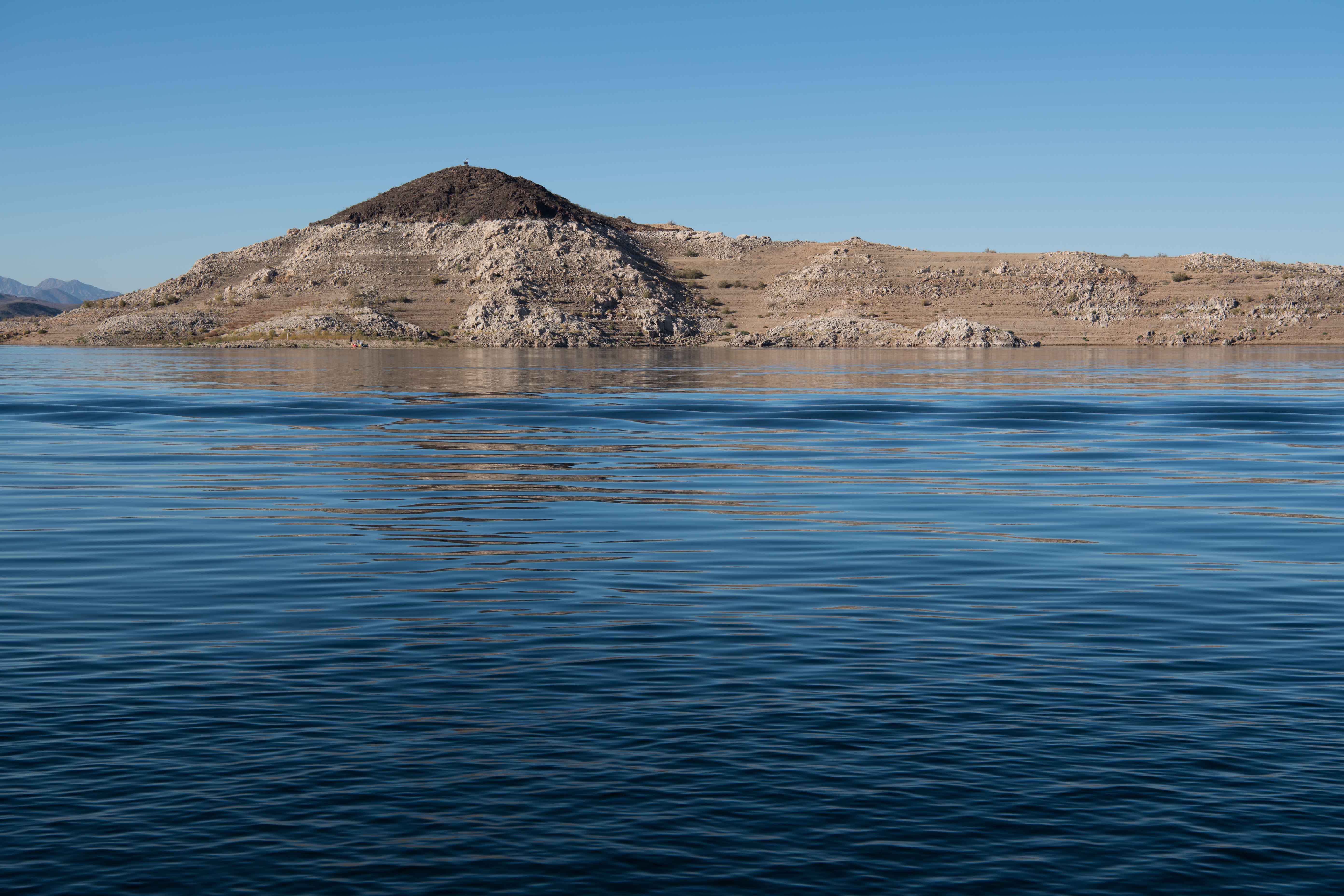 Draft EIS outlines options for managing Colorado River reservoirs after 2026
WASHINGTON — The Bureau of Reclamation today released a draft Environmental Impact Statement evaluating a range of operational alternatives for managing of Colorado River reservoirs after 2026, when the current operating agreements expire. The draft EIS evaluates a broad range of potential operating strategies. It does not designate a preferred alternative, ensuring flexibility for a potential collective agreement.
Prolonged drought conditions over the past 25 years, combined with forecasts for continued dry conditions, have made development of future operating guidelines for the Colorado River particularly challenging.
“The Department of the Interior is moving forward with this process to ensure environmental compliance is in place so operations can continue without interruption when the current guidelines expire,” Assistant Secretary - Water and Science Andrea Travnicek said. "The river and the 40 million people who depend on it cannot wait. In the face of an ongoing severe drought, inaction is not an option.”
The draft EIS evaluates a broad range of operational alternatives for post-2026 reservoir management informed through input and extensive collaborative engagement with stakeholders, including the seven basin states, tribes, conservation organizations, other federal agencies, other Basin water users, and the public. It includes the following alternatives that capture operational elements and potential environmental impacts:
- No Action
- Basic Coordination
- Enhanced Coordination
- Maximum Operational Flexibility
- Supply Driven
The document will be published in the Federal Register on January 16, 2026, initiating a 45-day comment period that will end on March 2, 2026. The draft EIS and additional information on the alternatives are available on Reclamation’s website.
"Given the importance of a consensus-based approach to operations for the stability of the system, Reclamation has not yet identified a preferred alternative," said Acting Commissioner Scott Cameron. "However, Reclamation anticipates that when an agreement is reached, it will incorporate elements or variations of these five alternatives and will be fully analyzed in the Final EIS enabling the sustainable and effective management of the Colorado River."
The Colorado River provides water for more than 40 million people and fuels hydropower resources in seven states. It serves as a vital resource for 30 Tribal Nations and two Mexican states, sustaining 5.5 million acres of farmland and agricultural communities throughout the West, while also supporting critical ecosystems and protecting endangered species.
The Draft EIS addresses only domestic river operations. A separate binational process addressing water deliveries to Mexico is underway and the Department is committed to continued collaboration with the Republic of Mexico. The Department will conduct all necessary and appropriate discussions regarding post-2026 operations and implementation of the 1944 Water Treaty with Mexico through the International Boundary and Water Commission in consultation with the Department of State.
To provide certainty for communities, tribes, and water users, a decision regarding operations after 2026 will be made prior to October 1, 2026 – the start of the 2027 water year.
