


You are viewing ARCHIVED content published online before January 20, 2025. Please note that this content is NOT UPDATED, and links may not work. For current information, visit https://www.usbr.gov
 Karl Stock, Acting Regional Director – Lower Colorado Basin
Although much of the American public is familiar with the iconic history and grandeur of Hoover Dam, many people are surprised to learn that Reclamation also manages one of the largest environmental programs in the Nation – the Lower Colorado River Multi-Species Conservation Program (LCR MSCP).
The LCR MSCP, a 50-year program that covers more than 400 miles along the lower Colorado River from Lake Mead to the border with Mexico, was created in 2005 to balance water use along the Colorado River with the conservation of native species and their habitats. This longstanding program helps with the recovery of species listed under the Endangered Species Act (ESA) and reduces the likelihood of additional ESA listings.
"The LCR MSCP is a great example of Reclamation's efforts to manage water in the West for the benefit of people, wildlife and vital habitats, said Bureau of Reclamation Deputy Commissioner Camille Calimlim Touton. "Reclamation will continue our long history of environmental stewardship."
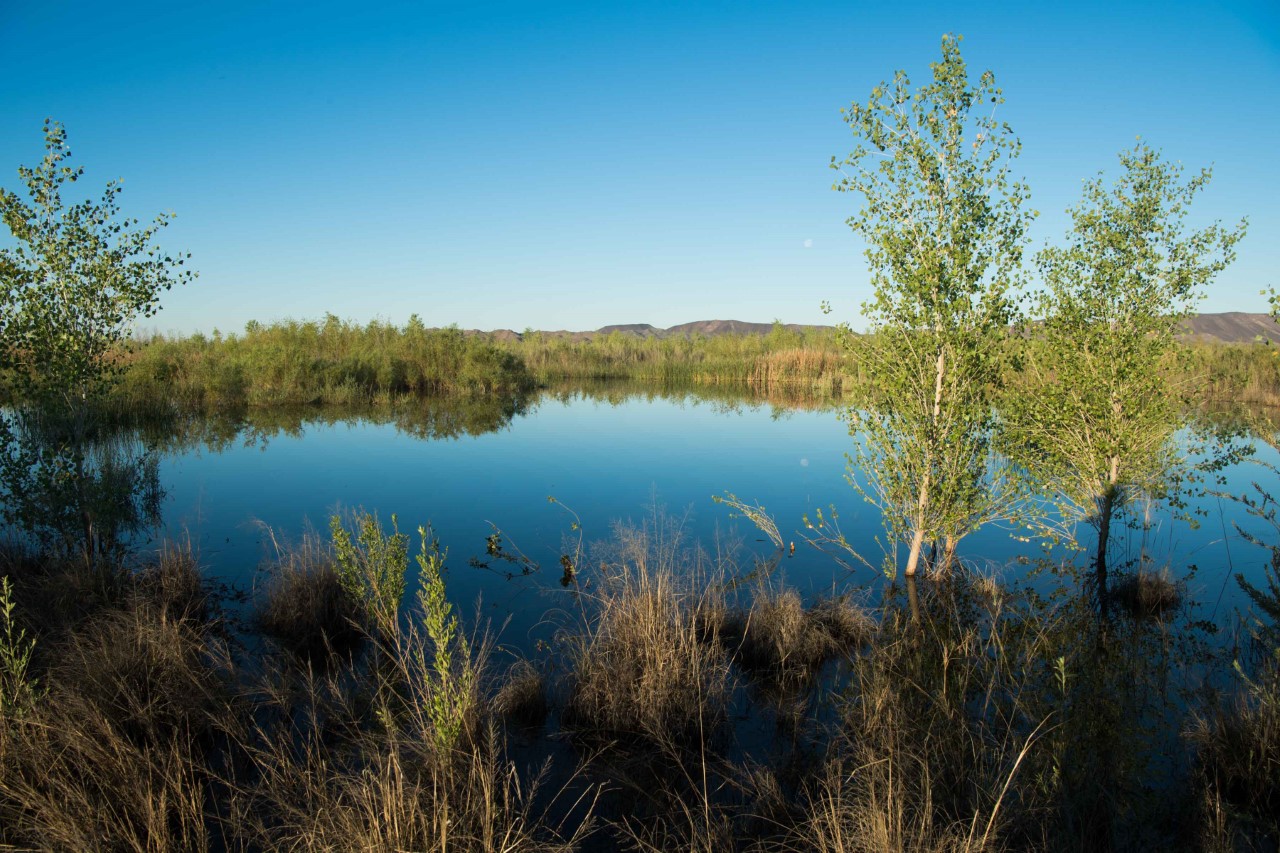
The LCR MSCP is a 50/50 federal/non-federal partnership. Reclamation is the lead implementing agency for the program and interacts with its partners through the LCR MSCP Steering Committee, which is composed of 56 agencies and entities that include state and federal agencies, water and power users, municipalities, Native American tribes, conservation organizations, and other interested parties.
The program addresses both current water diversions and power production actions, as well as future planning for water and power development. More than 8,100 acres of habitat will be created to support fish and wildlife species and over 1.2 million native fish will be raised to augment existing river populations. The current plan benefits at least 31 species, many of which are listed as state or federally endangered, threatened, or sensitive species.
To date, an estimated $358 million has been invested by the partnership to address the diverse biological needs of mammals, birds, fish, reptiles, invertebrates and plants along one of America's most critical watersheds. The federal government pays 50 percent of the program's costs. The participants in the states of Arizona, California and Nevada pay the remaining 50 percent, with California paying one-half of the non-federal total, and Arizona and Nevada each paying one-quarter.
MSCP - Notable Program Highlights
- In April 2015, a northern Mexican garter snake was discovered within the program's Beal Lake Conservation Area; it was the first northern Mexican garter snake detected along the main stem of the lower Colorado River since 1904.
- Since the initial implementation of the LCR MSCP in 2005, 17 conservation areas have been established, providing 6,538 acres of riparian, mesquite, marsh and backwater habitat for native species.
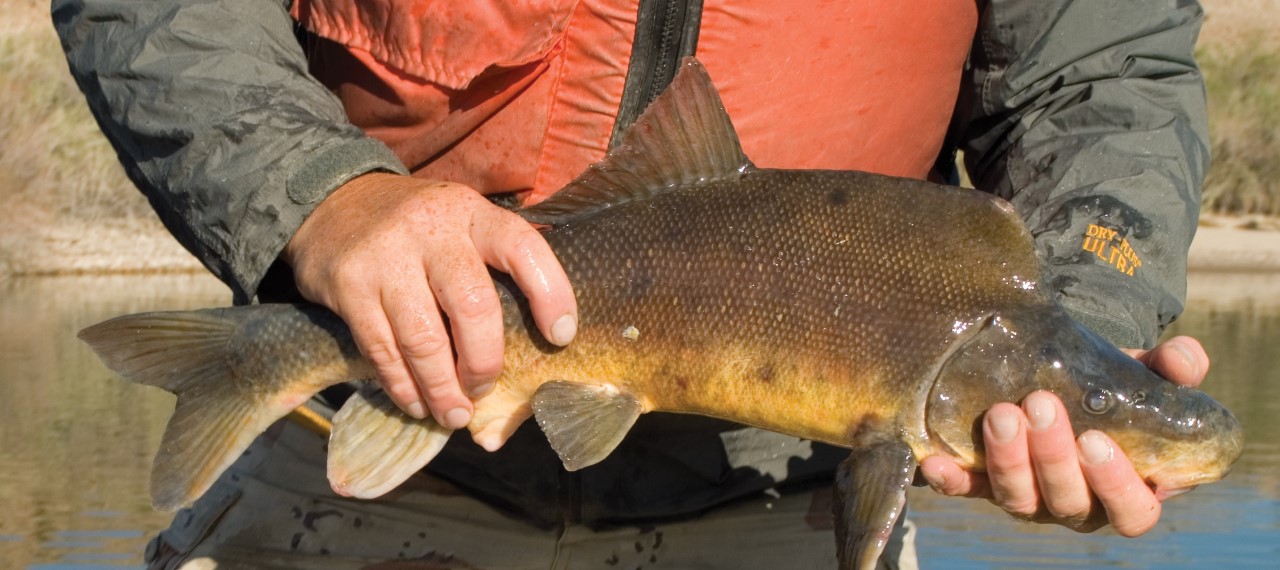
- Since 2005, approximately 227,000 razorback suckers and 114,500 bonytail have been stocked into the lower Colorado River, and approximately 139,000 razorback suckers have been stocked in Lake Mohave to maintain the genetic diversity of this important brood stock.
