 |
|
UC Today is the quarterly newsletter of the Bureau of Reclamation’s Upper Colorado Basin Region covering the states of Colorado, New Mexico, Utah and Wyoming. We look forward to sharing with you some of the projects and activities that we have been working on to manage, develop and protect water and related resources in an environmentally and economically sound manner in the interest of the American public. January 2021 |
|||
| Albuquerque Area Office | Power Office | Provo Area Office Western Colorado Area Office | Four Corners Construction Office |
|||
|
from the |
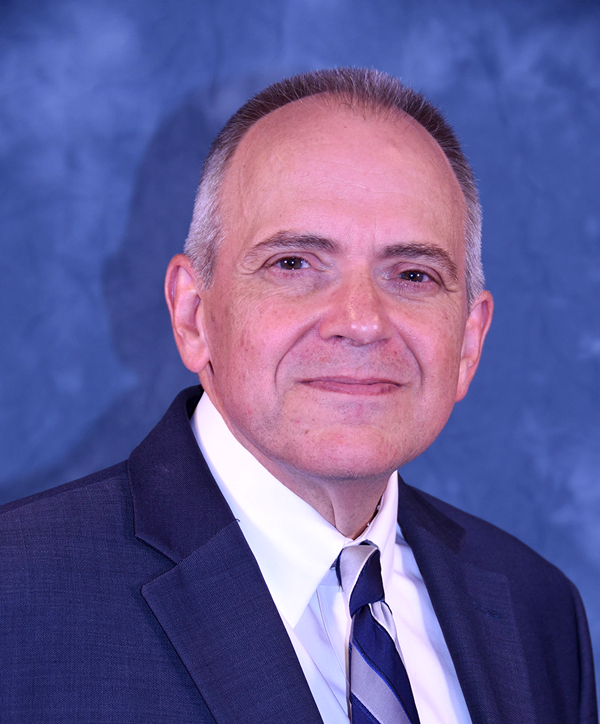 |
| Upper Colorado Basin Region Director Wayne Pullan. Reclamation photo |
Upper Colorado Basin Region Director's WelcomeBy Wayne Pullan, Region DirectorTwo Sunday nights ago, I dropped into the office on my way home. While there, I stopped in front of the photos of former Regional Directors. As I looked at the RDs I have known and those that went before, I was both honored and a bit overwhelmed to be your new regional director. I want you to know that I am passionate about our mission and am committed to building on the successes of this great organization and making it an even greater place to work. We have come together in so many innovative ways to manage a very challenging year. I want to take a moment to thank each of you for your diligence and flexibility. We will continue to be diligent at supporting the health and safety of our employees, my number one priority, as we begin a new year. I want you to know how much I appreciate the incredible talent and professionalism of each and every one of you who help us meet our vision and mission daily. Whether on-site in our facilities, working from home, or increasingly in the office, I know that you will continue to support each other personally and professionally. During my first leadership meeting as regional director I shared a document titled, Upper Colorado Basin Region's Approach: Nine Points. The Nine Points represent a vision of what the region can be and how we can work together. They are touchstones — ideals against which we can evaluate our work. And they are a description of what we can expect of one another and of ourselves. On a basic level, they represent a guide for working with me; I think it is important for leaders to set clear expectations from the beginning. Here they are:
I'd like to close out this message and emphasize to you, individually and collectively, that I strongly believe in our regional team. We start this year with new leadership. You all have a clean slate and my trust. As we manage the challenges we may face in this new year, we will win as a team or lose as a team. What is most important is that we commend each other on our collaborative successes and pick each other up and learn from any failure. This will lead us to become a stronger team in the long run. I look forward to working with you all in the coming years — and all we will accomplish together. |
|
from the |
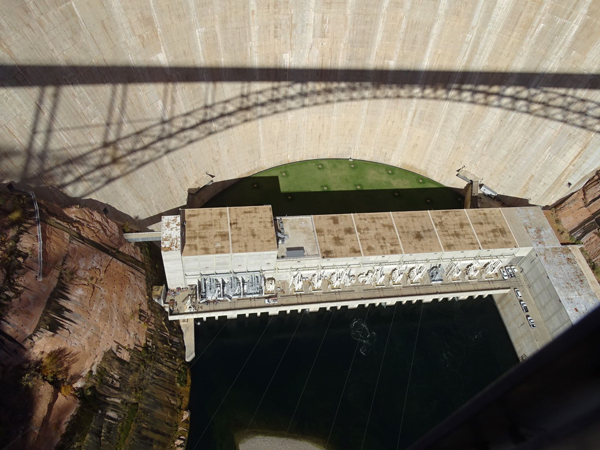 |
| Glan Canyon Powerplant and transformer bay, the new transformers are on the left side of the deck. Reclamation photo |
Transformer Replacement Project at Glen Canyon PowerhouseBy Bill Heckler, PE, Lead Electrical Engineer and Clint Stone, Region Public Affairs OfficeThe transformer replacement project at Glen Canyon Powerhouse, located approximately 3 miles northwest of Page, Arizona, is nearing a significant milestone with the installation of the first bank of generator step up transformers. This process will eventually replace 14, 125 megavolt-amperes generator step up transformers. Three transformers at a time will be banked together for replacement. The new transformers are slightly more efficient, larger, and will enable the powerplant to produce more power. 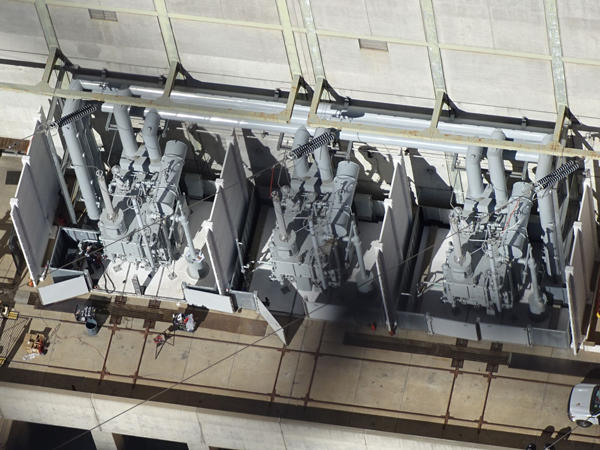 This project required 13 years of planning, design, and new manufacturing for the replacement of all the old transformers. This initiative included design and construction of an improved transformer that would help mitigate possible environmental damage and includes modern safety features. One of the key features of these new transformers is that they employ new type of insulating and cooling fluid. The fluid is a special type of oil derived completely from soybeans and provides significant environmental benefits as opposed to the toxic mineral oil used in older transformers. Tests done at Reclamation's Technical Service Center testing facility showed that this oil is not dangerous to fish or other aquatic life. Once the new transformers arrived, work began to remove the old transformers. These old transformers have been in use since the powerplant began operation in 1964. The coolant oil in these old transformers is a toxic substance and must be hauled to a site for appropriate disposal. New fire barriers and oil containments were put in place once the first bank of old transformers was removed and the new transformers have been installed. The controls for these transformers are connected to the Glen Canyon Control Room and Supervisory Control and Data Acquisition Center. The new control wiring installed with the new transformers is being tested and verified. The new transformers are protected by an improved fire protection system. After testing this new fire suppression system, the transformers will be powered up, tested, and commissioned. Once the commissioning is complete, possibly in February 2021, the first bank of transformers will be online and running and work can begin on the next bank at the other end of the transformer deck. 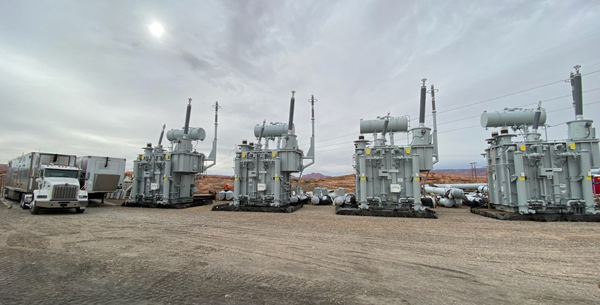 |
|
from the |
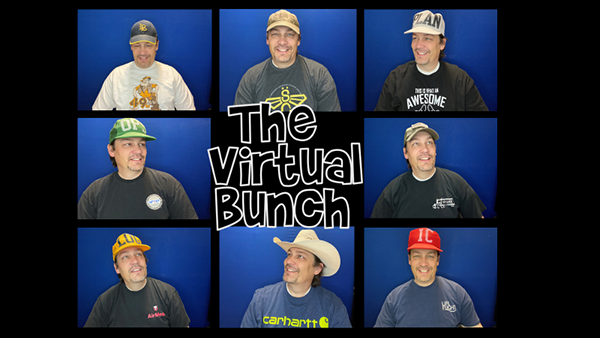 |
| Pandemic Year 2020: How it Felt Becoming the Virtual Bunch. Reclamation photo |
And That's the Way We All Became the Virtual BunchBy Kayla Ashworth - Civil Engineer, Jeff Beaty - Emergency Management Specialist, and Amy Van Horn - Civil EngineerPlanned or unplanned, the year 2020 has been like no other with anomalies too long to list. The Operations and Emergency Management Group in the Provo Area Office dealt with the new reality of operating business-as-usual while conducting disaster exercises during a global pandemic. The goal was to mitigate the spread of infection by preventing in-person contact while still conducting functional exercises for Lost Creek, Wanship, East Canyon, Echo, AV Watkins, and Scofield Reservoirs. The solution was a virtual exercise conducted in an online format rather than in person. Emergency Action Plan exercises are a tool used by Emergency Management personnel to simulate disasters and practice the use of the Emergency Action Plan and Procedures. Within Reclamation these exercises take one of two formats: Tabletops are discussion-based exercises and Functionals are operations-based exercises where participants practice emergency response actions and systems are tested. During a typical year, the Provo Area Office conducts in-person exercises with each facility on a 4-year cycle according to Reclamation Directives and Standards. These meetings generally consist of introductions, overview of the EAP, conducting the exercise and a final debrief. These simulations offered good opportunities to network with Reclamation shareholders and downstream response agencies. 2020 has not been a "typical year" due to a global pandemic affecting operations. It has been a year marked by wearing protective masks, social distancing, and meetings similar to the opening of a Brady Bunch episode. The biggest changes in 2020 for the PRO OEM team and partners were conducting a functional exercise virtually and including an orientation educating participants in how to use the virtual technology. The exercise team was flexible and adaptive in meeting the challenge of conducting exercises using an online format while maintaining Homeland Security Exercise and Evaluation Program guidelines. The Provo Area Office exercises consisted of a multi-organization meeting using Microsoft Teams, Power Point presentations, participant discussion, and integrating the communication tools through the Everbridge mass notification system. This pandemic has shown that there are advantages and disadvantages to both in person and virtual meetings and many variables to consider such as the technology to use that will work for both internal and or multi-organization platforms. Once in-person meetings are deemed safe and accepted our team plans to use both methods to leverage relationships with our stakeholders and increase effective communication. |
|
from the |
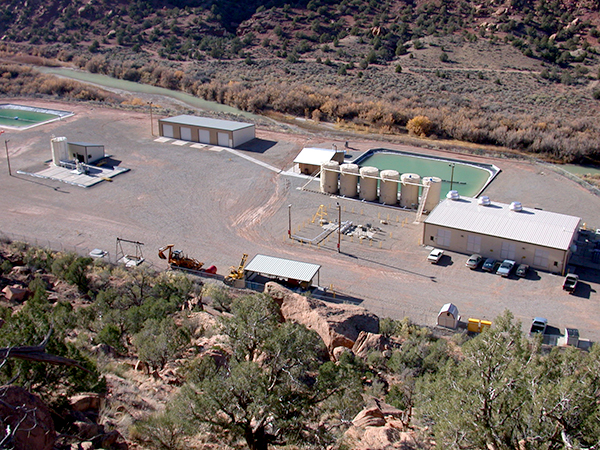 |
| The Paradox Valley Unit has been responsiable for removing approximately 100,000 tons of salt annually from the Dolores River. Reclamation photo |
Western Colorado Area Office roundupBy Justyn Liff, Western Colorado Area Public AffairsParadox EISIn December 2020, the Western Colorado Area Office released the final environmental impact statement for the Paradox Valley Unit. The benefits and impacts of a variety of alternatives for salinity control were analyzed and the "no-action alternative" was selected as the best means to minimize and avoid environmental harm, while maintaining compliance with the Salinity Control Act. "After considering public comments, Reclamation determined the no-action alternative achieves the best balance among the various goals and objectives outlined in the environmental impact statement," said Reclamation's Western Colorado Area Office Manager Ed Warner. "The no-action alternative is in the best interest of public health and safety." Alternatives analyzed in the final EIS include a new injection well, evaporation ponds, zero liquid discharge technology and no action. The Paradox Valley Unit is one element of Reclamation's broader Colorado River Basin Salinity Control Program. The SCP is a partnership among Reclamation, several federal agencies and seven basin states. This partnership developed measures that prevent an estimated 1.22 million tons of salt from entering the Colorado River System each year and contribute to long term water quality goals. The final environmental impact statement is available online at www.usbr.gov/uc/progact/paradox/index.html. Environmental AssessmentThe Western Colorado Area Office has released a draft environmental assessment for salinity control on the Crawford Clipper Upper West Lateral located in Delta County, Colo. The proposed project would replace half a mile of the Upper West Lateral with buried pipe. The purpose of the project is to prevent seepage and reduce salinity loading in the Colorado River Basin. An additional benefit of the proposed action would be a reduction of selenium in the Colorado River Basin. The final environmental assessment will be released in early spring 2021. |
|
from the |
 |
| Commissioner Brenda Burman and Navajo Nation President Jonathan Nez touring the Cutter Lateral Water Treatment Plant. Reclamation photo |
Commissioner Burman Inspects Cutter LateralBy Pat Page and Bart Deming, Four Corners Construction OfficeOn October 19, 2020, Bureau of Reclamation Commissioner Brenda Burman visited the Cutter Lateral Water Treatment Plant to commemorate the completion of plant construction and the beginning of the testing and commissioning phase of the Cutter Lateral. The water treatment plant can now treat a peak flow of 3.5 million gallons per day and has the capability to be expanded to treat 5.4 million gallons per day, a volume sufficient to allow for economic growth and meet water needs decades into the future. The Commissioner participated in an inspection of the water treatment plant with Project partners, including Navajo Nation President Jonathan Nez and City of Gallup Mayor Louis Bonaguidi. Other attendees included members of the New Mexico Interstate Stream Commission, as well as staff from Reclamation, Navajo Nation, City of Gallup, Navajo Tribal Utility Authority, and Jacobs (Reclamation's Design-Build Contractor for the water treatment plant). In her remarks to the Project partners, Commissioner Burman noted that "this collaboration of federal, tribal, state, and local entities is truly an outstanding example of what we can accomplish together." The visit coincided with the introduction of drinking water, treated by the Cutter Lateral Water Treatment Plant, into the Cutter Lateral and to the first two public water systems connected to the Lateral, Dzilth-Nah-O-Dith-Hle and Carson/Huerfano. "We couldn't be more proud that construction is finished on the Cutter Lateral and that water should be flowing very soon… To know that there can be a clean, reliable water supply is so important for health. It's so important for safety. It's overwhelmingly important for building a strong economy on the Navajo Nation," Commissioner Burman said. This represents a major milestone in the long history of the Project and marks another important step toward meeting the Federal Government's obligation of completing the Project. |
|
from the |
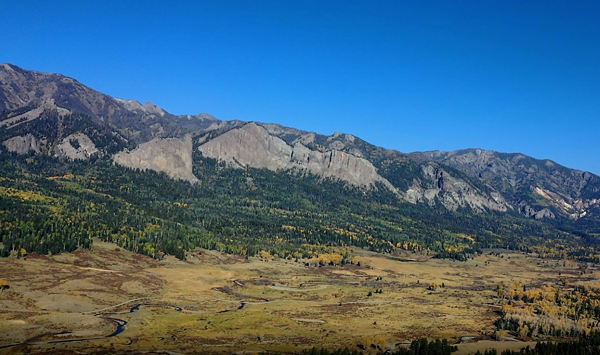 |
| Private ranch owners in the headwaters of the San-Juan Chama Project take on a great responsibility in being stewards of their land and the watershed that exists there. Pictured here is a drone's eye view of the Navajo River. Reclamation photo by Jared Daniels |
Private lands important component in conservation perspectiveBy Melissa Romero, Albuquerque Area Office of Public AffairsAs water from the San Juan-Chama Project becomes more essential than ever to supplement the Rio Grande through New Mexico, Reclamation maximizes local partnerships to assist with protection of the watershed feeding the project. Completed in 1976, the San Juan-Chama Project of Colorado and New Mexico directs stream flows from the headwaters of the San Juan River (a tributary of the Colorado River) to the Rio Chama where the water is stored, released, and diverted to its eventual inflow to the Rio Grande. The Project provides a critical source of drinking and agricultural water for users in the Middle Rio Grande, including the cities of Santa Fe and Albuquerque, irrigators, and tribes. Geomorphic changes in the northernmost forested headwater areas that provide the water supply for the Project undoubtedly impact the quality and quantity of this vital resource. Through a partnership with the Chama Peak Land Alliance, Reclamation works to protect the Project's water sources by supporting direct management of these upper woodlands. The initiative is largely coordinated through an annual sponsorship of the AmeriCorps VISTA volunteer program. Selected AmeriCorps candidates serve a one- to two- year assignment in Reclamation's field office in the village of Chama, New Mexico, working with the CPLA to perform community outreach focusing on enhanced cooperative relationships among the people, land, and interconnected watersheds. 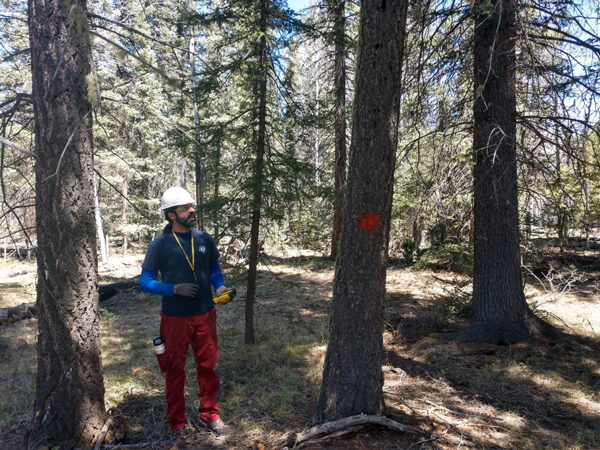 Current VISTA Volunteer Jared Daniels has worked since April 2019 to support the joint missions of Reclamation and the CPLA. Activities include public education highlighting rehabilitation and watershed protection for the San Juan-Chama Watershed Partnership, a conservation consortium established in 2014. Daniels' time is often spent on private ranches in the Blanco and Navajo basins conducting ground inspections where prescribed land work is performed. Prescribed land work includes removing hazard trees, timber sales and overall thinning of acreage with mastication, lop and scatter, and chipping treatments. These preventative measures result in less fire-prone areas and reduce fueling materials to achieve lower intensity burns and greater success in firefighting strategies. Daniels' explains, "The complexity of fire movement on the landscape deserves a cross-jurisdictional mindset that invites all populations and their resources to unite in protecting our lands, forests, and water." Surrounded by three national forests and the Jicarilla Apache Nation reservation, the Blanco-Navajo tri-basin region is uniquely wild and remarkably authentic. Founded in 2010 by private landowners near the Colorado-New Mexico border, the nonprofit CPLA works with private, state, federal and tribal interests to keep this area unspoiled. These efforts work to prevent habitat fragmentation, strengthen hampered rivers, and address overgrown vegetation through smaller, planned controlled burns. In July 2020, the CPLA and its partners completed a conservation easement on the privately owned 16,723-acre Banded Peak Ranch. Completion of this project is the culmination of a 30-year effort designating a total of 65,000 pristine acres in the Navajo River watershed and shields more than 30 miles of streams feeding a system crucial to the people of New Mexico. "It's been a rare privilege serving in the breathtaking southern San Juan region of Colorado and northern New Mexico, and certainly an honor to carry on the important work of protecting these critical watersheds," Daniels said. |
Reclamation AccomplishmentsA review of Reclamation accomplishments under the leadership of Commissioner Brenda Burman. |



Interior Region 7 • Upper Colorado Basin 125 South State Street, Room 8100 Salt Lake City, Utah 84138-1147 If you would like to subscribe or unsubscribe to this newsletter, please send an email with your first and last name to ucbpao@usbr.gov. |